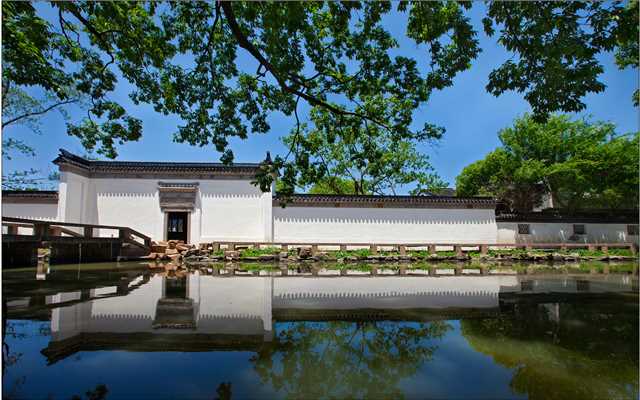
Suzhou Classical Gardens
Overview
Suzhou Classical Gardens, located in Suzhou, Jiangsu province, China, are a collection of gardens recognized for their unique landscaping art, cultural significance, and historical architecture. These gardens are considered masterpieces of Chinese classical garden design, reflecting the profound metaphysical importance of natural beauty in Chinese culture. Known for their meticulous design that incorporates architecture, rockeries, water features, and diverse plant life, the gardens have been designated as UNESCO World Heritage sites, illustrating the harmonious integration of nature and human creativity.
Historical Background
Suzhou has a long history of garden building, with records dating back as early as the fourth century. The most significant period for garden construction in Suzhou was during the Ming (1368-1644) and Qing (1644-1911) dynasties when the city became an economic hub, fostering the development of numerous private gardens. These gardens were initially the residences of high officials, business magnates, artists, and other literati who sought to recreate natural landscapes in miniature. The gardens drew inspiration from traditional Chinese landscape paintings, reflecting the aesthetic and philosophical ideals of the Chinese literati.
Among the most renowned gardens are the Lion Grove Garden, Humble Administrator’s Garden, Lingering Garden, and the Master of the Nets Garden. These gardens exhibit the traditional art of landscape gardening and embody the cultural values and artistic aspirations of their time.
Design and Architecture
The design of Suzhou Classical Gardens is characterized by the use of a variety of elements that create a seamless blend of natural beauty and artistic expression. Key features include:
-
Rockeries and Water Features: The gardens often include artificial hills and water bodies that mimic natural landscapes, creating a sense of depth and perspective. The rockeries are meticulously arranged to emulate mountain ranges and provide dramatic visual contrasts.
-
Architectural Structures: Pavilions, halls, and bridges are strategically placed within the gardens to offer visitors different viewpoints and experiences. These structures serve as focal points in the landscape, drawing attention to the surrounding scenery.
-
Flora: The choice of plants is significant in Suzhou gardens, with specific varieties such as plum blossoms, bamboo, orchids, and chrysanthemums symbolizing noble spirits and virtues. The arrangement of plants is designed to offer changing vistas with each season, creating a dynamic and evolving landscape.
-
Pathways and Courtyards: The layout of the gardens incorporates winding paths and secluded courtyards that lead visitors through a series of carefully curated scenes. This design technique, known as "changing scenery with each step," encourages exploration and reflection.
Cultural Significance
The Suzhou Classical Gardens are not only an expression of artistic and architectural ingenuity but also hold deep cultural significance. They represent centuries of Chinese philosophy, aesthetics, and social values, encapsulating the pursuit of harmony between humanity and nature. The gardens have been immortalized in Chinese poetry, painting, and literature, serving as a source of inspiration for artists and writers throughout history.
The gardens also play a role in cultural exchange, serving as ambassadors of Chinese traditional culture to the world. International projects and exhibitions have highlighted the unique design principles and historical importance of these gardens, fostering greater global appreciation and understanding of Chinese garden art.
Preservation and Modern Relevance
In recent years, significant efforts have been made to preserve and restore the Suzhou Classical Gardens to their original splendor. Conservation projects have been guided by historical documentation and traditional construction techniques, ensuring the authenticity and integrity of the gardens. Modern technologies, such as big data analysis and artificial intelligence, are employed to enhance the maintenance and visitor experience, balancing cultural preservation with contemporary needs.
Educational programs and cultural exchanges are integral to the continued vitality of the gardens, engaging younger generations and international audiences in appreciating and safeguarding this invaluable heritage. By integrating traditional aesthetics with modern sensibilities, the gardens continue to influence urban design and cultural expression, offering a timeless narrative that bridges the past and the future. Article reference1. Planting a seed for the future. chinadaily.com.cn. 20222. Where heritage takes root. chinadaily.com.cn. 2022Photo Gallery(10 pictures)CategoriesTourismTagWorld HeritageCultural LandscapeWorld Heritage in ChinaRelatedSuzhou GardensMountain Villa with Embracing BeautyCatalogue1. Overview2. Historical Background3. Design and Architecture4. Cultural Significance5. Preservation and Modern Relevance- - - []








